Electrolysis is the oldest and, from a regulatory standpoint, the most clearly defined method of permanent hair removal available today. Unlike shaving, waxing, or depilatory creams, which only remove hair temporarily above the skin’s surface, electrolysis works below the surface, at the level of the hair follicle itself. Understanding how it works, how it is classified by health authorities, and who is qualified to perform it helps explain why it has remained a trusted option for well over a century.
How the Procedure Actually Works
During an electrolysis session, a trained electrologist inserts a hair-thin, sterile probe alongside an individual hair, following it down into the follicle rather than piercing the skin at a new point. Once the probe reaches the base of the follicle, a small electrical current is applied. Depending on the equipment and technique, this current can be direct current (galvanic electrolysis), high-frequency alternating current (thermolysis), or a combination of both, sometimes referred to as the blend method.
Under U.S. federal regulation, this class of device is officially described as one intended to destroy the dermal papilla of a hair by applying electric current at the tip of a fine needle that has been inserted close to the hair shaft, under the skin, and into the dermal papilla, using either high-frequency AC current, a combination of AC and DC, or DC current alone. The dermal papilla is the structure that supplies nutrients to the hair and drives its growth, so once it is sufficiently damaged, that particular follicle typically stops producing hair. After the current is applied, the loosened hair is gently lifted out with tweezers, without pulling on the root, since the root has already been treated.
It’s worth noting that true electrolysis, performed with a needle-type probe, is a different device category from battery-operated “electric tweezers” sold for home use, which clamp onto the hair above the skin rather than reaching the follicle. Regulators have not found that tweezer-based devices meet the same standard for permanent results, which is one reason professional, needle-based electrolysis remains the method associated with lasting outcomes.
How the Device Is Classified by Regulators
In the United States, the needle-type epilator used for electrolysis is regulated by the Food and Drug Administration as a Class I medical device, meaning it falls under general controls and is exempt from the premarket notification procedures that apply to higher-risk devices. This classification reflects the long track record and well-understood mechanism of the technology rather than a lack of oversight; manufacturers must still register with the FDA, follow manufacturing quality requirements, and meet labeling rules.
The FDA’s Center for Devices and Radiological Health is responsible for regulating both electrolysis equipment and laser devices, while separate offices handle chemical depilatories, waxes, and shaving products, since these are treated as cosmetics rather than devices. The day-to-day practice of electrolysis, meanwhile, is generally left to state and local governments to regulate, which is why licensing requirements for electrologists vary from one state to another.
What Happens During a Course of Treatment
A single electrolysis session can address anywhere from a handful of hairs to a larger cluster, depending on the size of the area and the person’s tolerance. Commonly treated areas include the eyebrows, upper lip, chin, abdomen, thighs, and legs, among other body regions. Because hair grows in cycles, and only hairs in a certain growth phase respond fully to treatment at any given time, a single visit cannot address every hair in an area at once.
Most people need a series of sessions spaced days or weeks apart over several months, with treated hairs gradually thinning out and eventually not returning as more follicles are addressed in each growth cycle. This gradual, session-by-session process is a defining feature of electrolysis and one of the main practical differences between it and single-session or few-session approaches.
Who Tends to Choose Electrolysis
One of electrolysis’s most distinctive advantages is that it does not rely on the color of the hair or the tone of the skin to work. Because the treatment targets the follicle directly with an electrical current rather than relying on a laser’s ability to detect pigment, it is equally effective on blonde, gray, red, or white hair, and it can be used safely across the full range of skin tones.
This makes it a particularly relevant option for people with hormonally driven excess hair growth, a condition dermatologists refer to as hirsutism, which affects a meaningful share of women; estimates in the medical literature place the prevalence in the general population at roughly four to eleven percent, with a much higher rate among women with polycystic ovary syndrome. For people in these groups, as well as for anyone with light-colored hair that laser systems cannot target effectively, electrolysis often remains the only medical option capable of producing full, lasting results rather than a reduction in hair volume.
Safety Profile and What to Expect Afterward
When performed correctly, electrolysis is not typically painful beyond a brief, localized sensation at the moment the current is applied, and it does not carry the same requirement for a licensed medical prescriber that laser devices do. Cosmetic sources describe the treatment as generally free of long-lasting side effects, with the most common reaction being a temporary, mild reddening of the treated skin that resolves on its own. That said, because a probe is inserted into the skin, proper sterilization and single-use needles are essential to avoid infection or skin irritation, which is exactly why the qualifications of the practitioner matter so much.
Before booking a series of sessions, it is worth confirming whether your state requires electrologists to hold a license or certification, checking that any displayed credentials are current, and, where a state does not formally regulate the profession, asking whether the provider trained at an accredited electrology program. A short consultation beforehand, which many practices offer at no charge, is also a reasonable way to assess a provider’s experience and the cleanliness of their equipment before committing to treatment.
Putting It All Together
Electrolysis occupies a specific and well-defined niche in hair removal: it is slower and more labor-intensive than laser treatment, but it works on every hair color and skin tone, and its underlying mechanism, permanently damaging the structure that grows the hair, has made it the method most closely associated with truly lasting results. Because the practice depends heavily on the skill of the person performing it, choosing a properly trained and, where applicable, licensed electrologist is just as important as understanding how the technology itself works.
For anyone considering a long-term solution to unwanted hair, especially in areas like the eyebrows, chin, or upper lip, or for hair colors that other methods can’t target, electrolysis remains a scientifically grounded and time-tested choice.
If you’ve been thinking about removing unwanted hairs for a long time, sign up for a trial session and see for yourself how effective the procedure is.
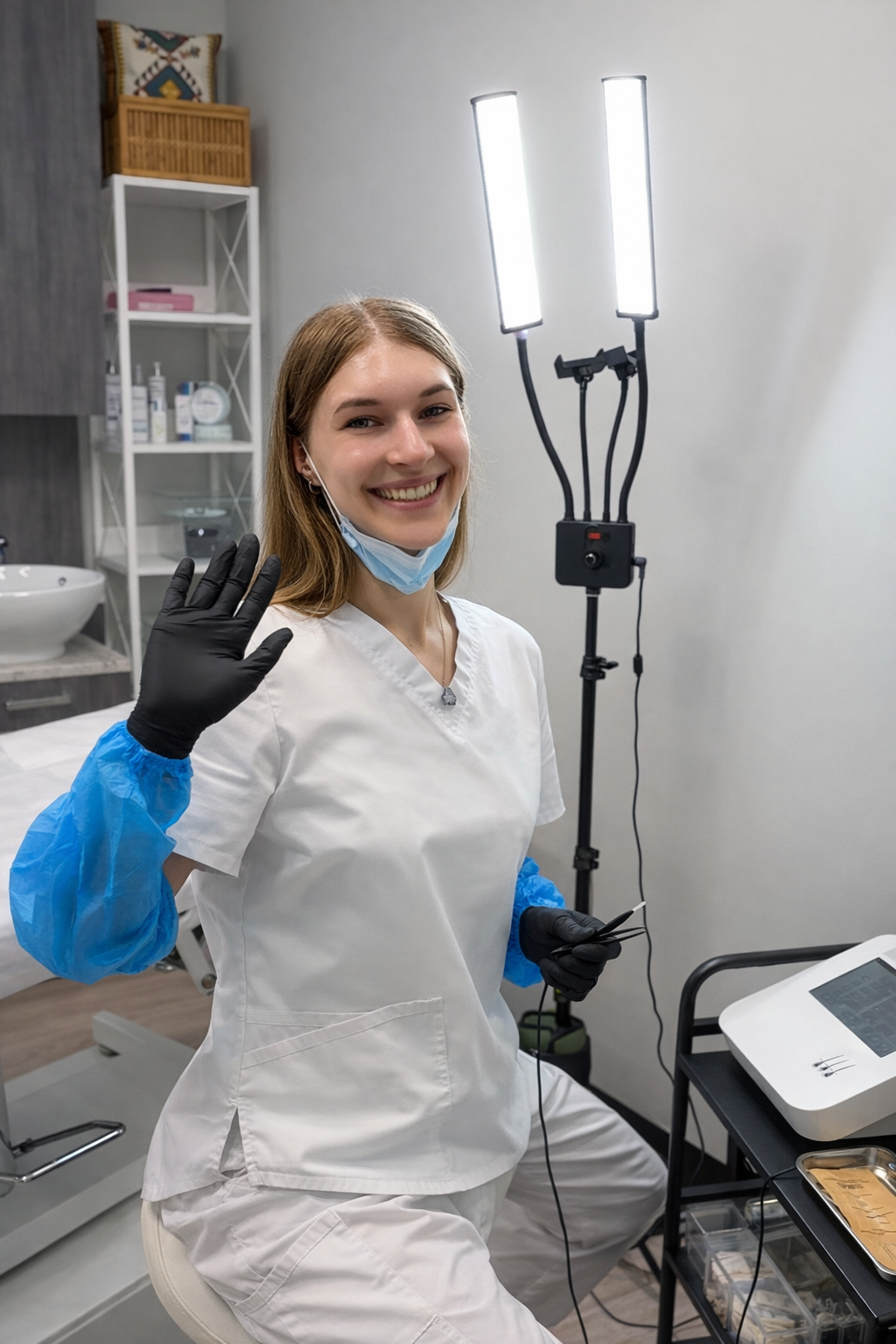
Electrolysis specialist and owner of Electrolysis Bay Area LLC